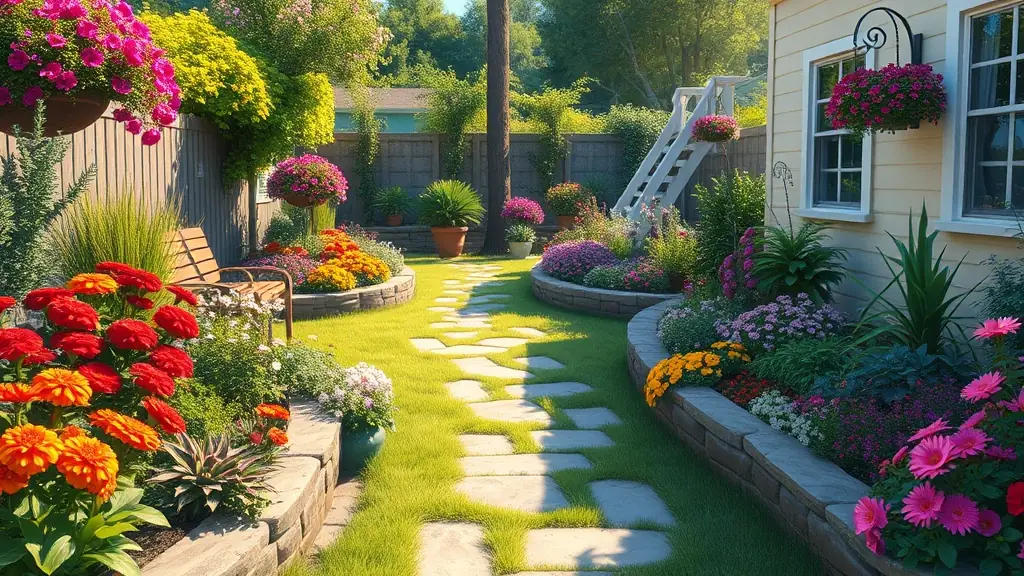
The English cottage garden is a celebration of abundance, a riot of colour and texture that evokes a sense of romance and nostalgia. Unlike formal gardens, the cottage garden embraces informality, with plants allowed to self-seed and mingle freely. To create your own cottage garden, start by choosing a sunny location with well-drained soil. Consider the size and shape of your space, and plan accordingly, even a small balcony can be transformed into a miniature paradise.
Select a mix of flowering plants, herbs, and vegetables, focusing on varieties that thrive in your local climate. Traditional cottage garden favourites include roses, lavender, foxgloves, and sweet peas, all known for their beauty and fragrance. Don’t be afraid to experiment with different combinations, allowing plants to spill over pathways and create a sense of wildness. Incorporate vertical elements, such as climbing roses or clematis, to add height and visual interest.
Maintenance is key to keeping your cottage garden looking its best. Regular watering, weeding, and deadheading will encourage continuous blooming and prevent plants from becoming overgrown. Embrace the natural cycle of the seasons, allowing some plants to die back in the autumn and winter, providing habitat for wildlife. With a little planning and care, you can create a charming and abundant English cottage garden that will delight the senses and provide a haven for both you and the local wildlife.